BAUHAUS WOMEN
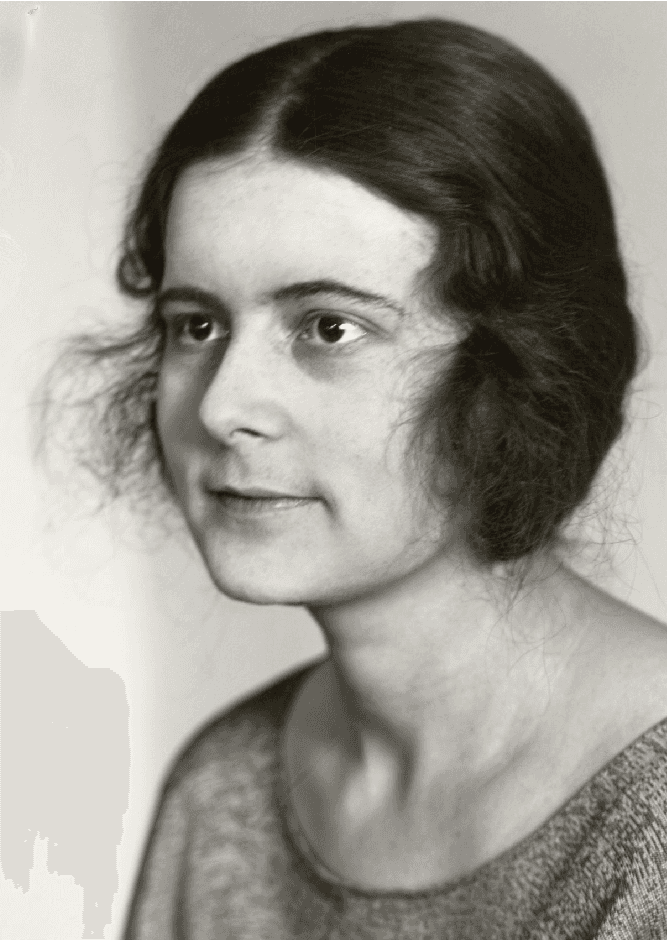
FRIEDL DICKER
IISE GROPIUS
WERA MAYER
MARIANNE BRAND
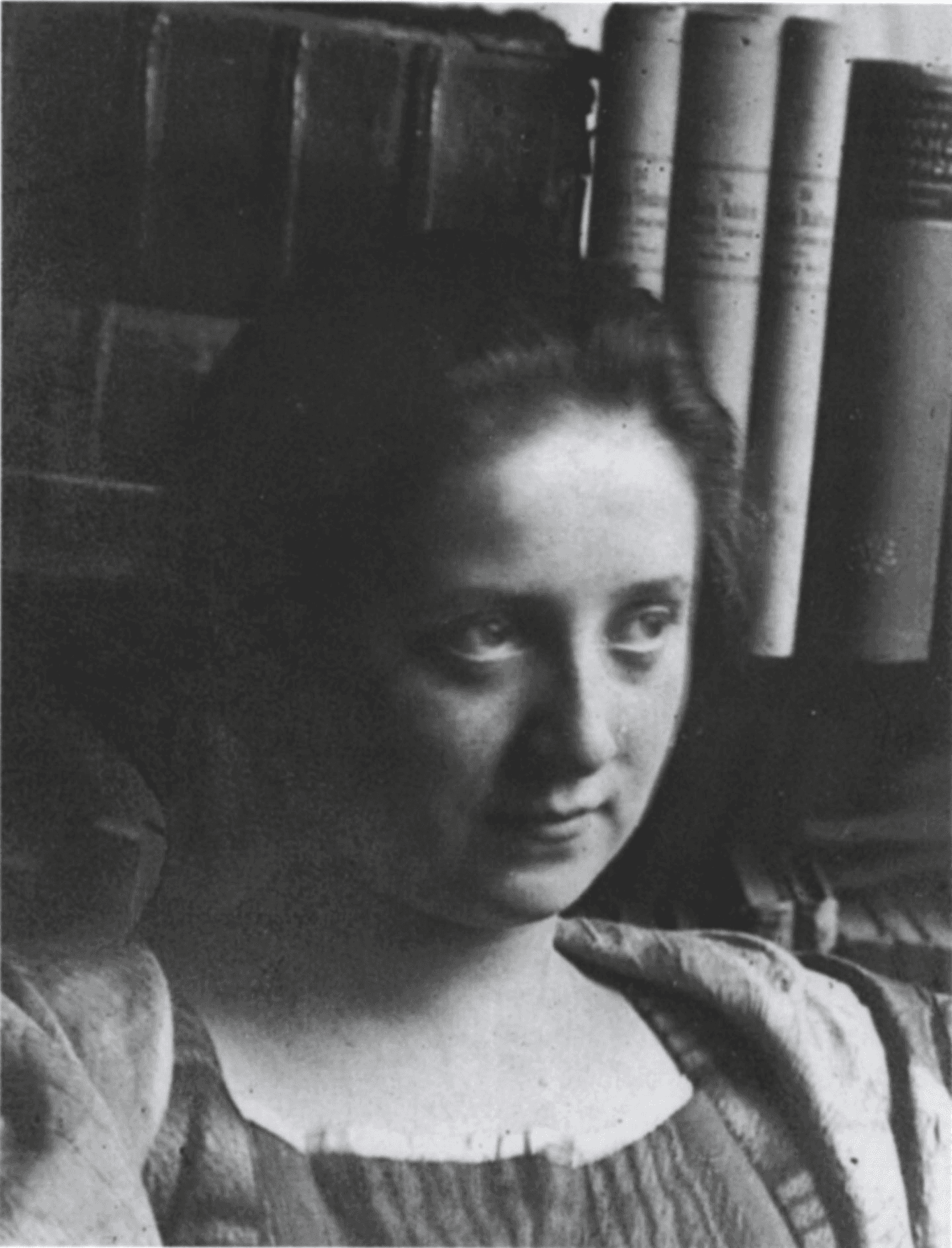
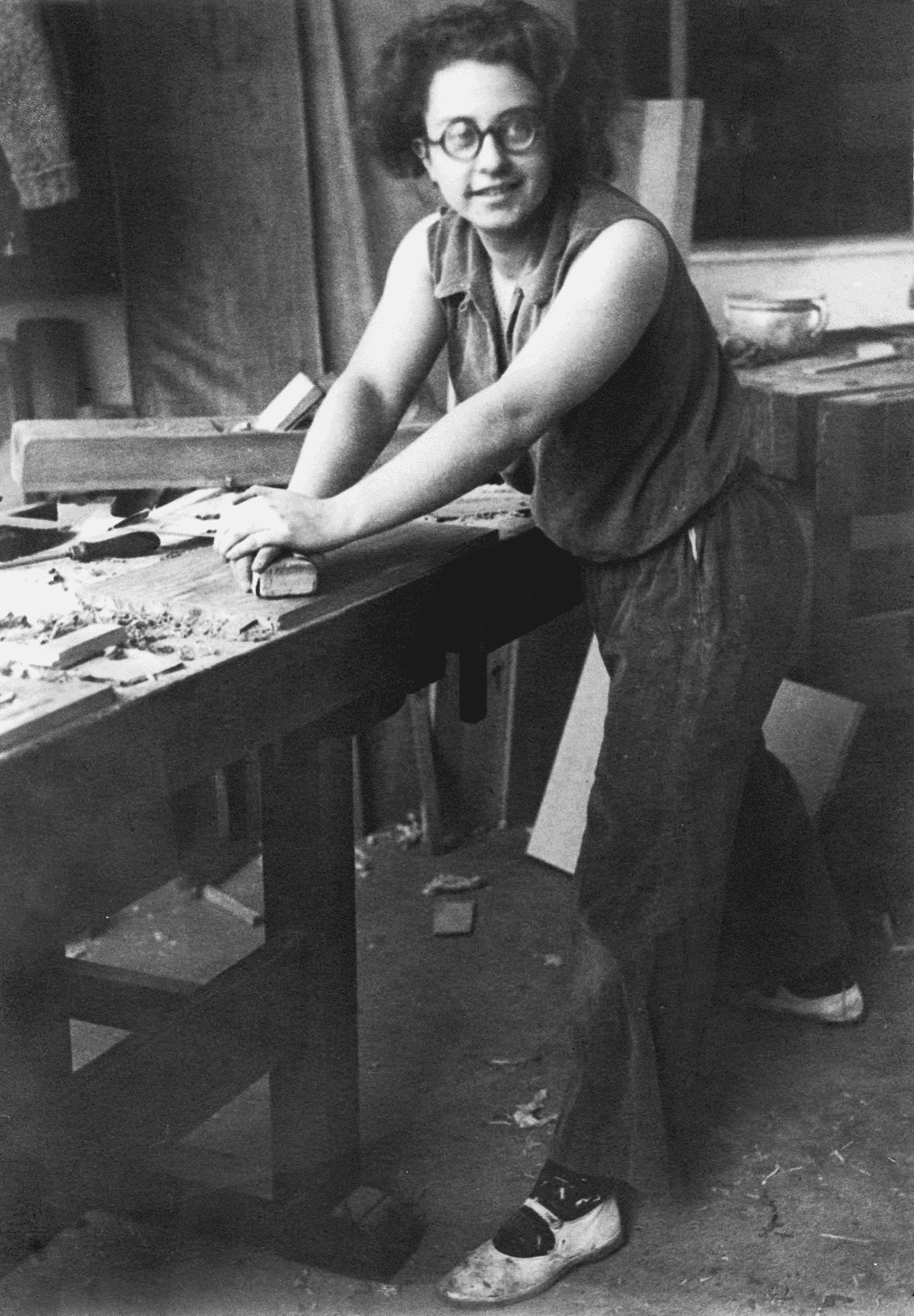
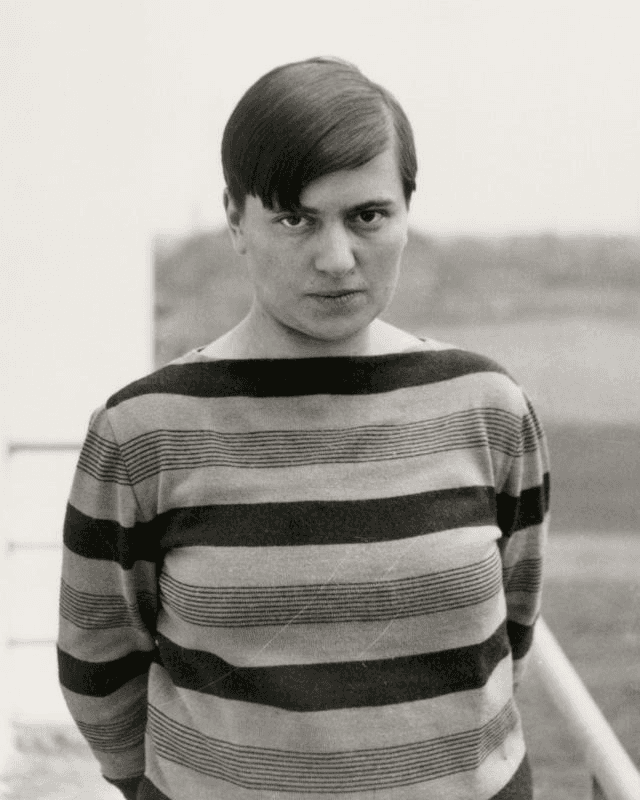
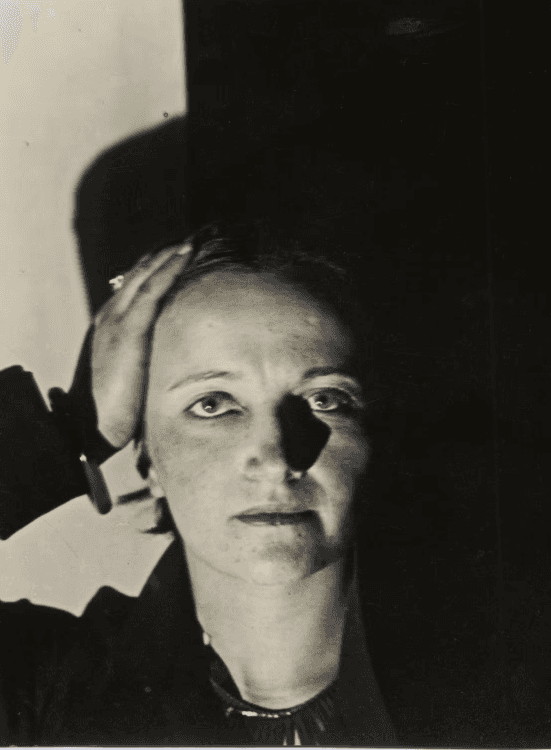
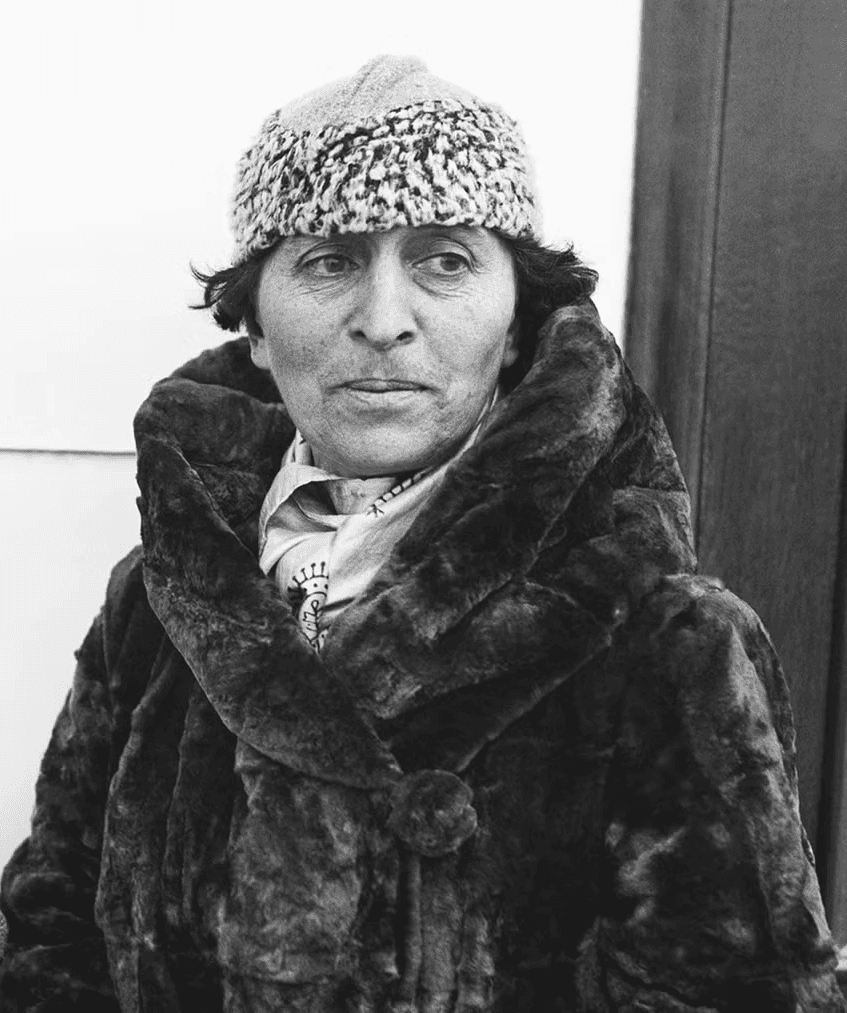
IRENE BEYER
GETRUNDE ARNDT
The Bauhaus opened in 1919 with a bold promise: admission regardless of gender. Yet within a year, director Walter Gropius called for strict restrictions on female enrollment, as women had outnumbered men in the very first semester — 84 to 79.
Women were systematically channelled into the weaving workshop, the so-called Frauenklasse, while other workshops remained largely closed to them. Of 32 workshop leadership positions across the entire Bauhaus period, only 3 were held by women — all in weaving. By 1932/33, the female share of students had fallen from 51% to just 22%.
Yet those who persisted left lasting marks. Marianne Brandt became one of the Bauhaus's most celebrated designers, breaking into the male-dominated metal workshop. Gertrud Arndt, directed into weaving against her will, turned to photography and created some of the most striking portrait series of the era. Friedl Dicker developed a radical visual language across painting, textile, and stage design. Ilse Gropius, Wera Meyer, and Irene Beyer equally navigated a system that tolerated their presence while limiting their access.
The Bauhaus did not fail these women for lack of talent — it failed them by institutional design. A pattern that, as the data shows, has not fully disappeared: women today make up 60% of architecture students in Germany, yet hold only 30% of leadership positions in the profession.